

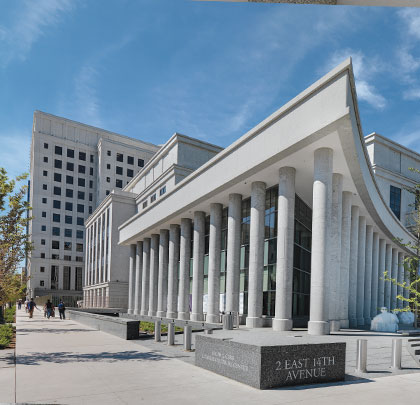
Success is in the Details
Ensuring the vision outlined in architectural renderings translates to building material manufacturing and then construction, requires careful attention to design and technical detail. For...

From Gray to Green
Portland cement, in addition to being a large user of energy in processing, is the second greenhouse gas contributor (CO2) in the world today....

Hydrodemolition: Challenges, Advantages
Things are changing within the construction and demolition industry. While worker safety has always been a primary concern on any jobsite, a growing focus...

Risk Planning
Recent extreme weather events causing construction delays and cost overruns have demonstrated the increasingly shifting position of risk within which infrastructure developers operate. Supply...
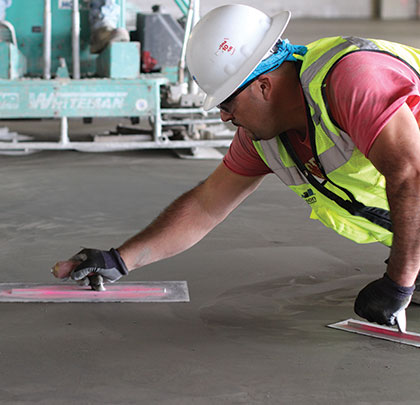
Racing Against Time
Waiting for concrete to dry is time-consuming. It lengthens the overall work schedule to complete a job, and that costs money. Let’s take a...
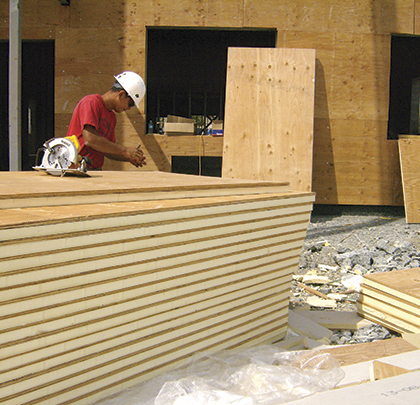
Helping Insulation Do Its Job
Which will keep you warmer when you’re working outside, a dry shirt or a damp shirt?
All of us know from experience that damp clothing—from...
Molded Polystyrene
ASTM C578 and D6817 explained for underslab insulations and structural implications
By Sean O’Keefe
Lightweight and versatile, molded polystyrene foam is a commercial building material that...

Construction Finance
As the saying goes, the only constant is change—and that’s particularly true in the construction industry. This makes the data accuracy specific to jobs...

What’s Next After Lithium Greases: Calcium Sulfonate Complex Greases
It’s hard to find an industry running without the use of lubricating greases. As per one estimate, more than 90 percent of roller bearings...

BOMAG Paver
By Ray Gonzalez
Proper belt tension is critical to the operation of your paver. When not monitored consistently, track sag and wear can cause excessive...