


The construction industry is accustomed to facing challenges, and 2026 seems to have more than its fair share. Whether this means immigration enforcement concerns of potential workers in a tough labor market or supply chain blunders, contractors are facing uncertainty from all angles.
Yet, there are bright spots, with interest rates expected to decline and demand for new and updated spaces relatively strong. Firms that have mature risk management processes and adaptable business plans will find their way through successfully.
RISKY BUSINESS
It’s not just that there are challenges; it’s more that they seem to be coming from all angles. It can be a challenge simply to identify, much less address these underlying issues:
Profitability. Materials costs are rising due to tariff increases, complicating insurance valuations and project financing. What’s more, immigration enforcement actions have caused many workers to steer clear of construction sites, causing 45 percent of firms to report project delays due to worker shortages.
Vitality. Construction leaders expect that they will need to recruit nearly 500,000 workers during 2026. That’s no easy feat, given the immigration issues and the fact that young people are less likely to enter the industry. Construction firms will need to focus on worker safety, as well as general wellbeing, to demonstrate a safe and caring culture to attract new talent.
Resiliency. With extreme weather growing in frequency, the construction industry face a growing number of worker deaths. Heat-related illness is a real danger to workers, and other catastrophic weather—including wildfires, hail and severe storms—are impacting timelines for construction projects across the country.
BEST PRACTICES
While challenges do abound, there is room for optimism. Firms that take proactive steps to manage the risks and plan strategically for the year ahead can still come out on top. Planning ahead means choosing the most important issues and addressing those as a priority.
Focus on Workplace Safety. Safety is already a major tenet of most contractors. Onboarding new and inexperienced workers leaves you open to increased risk of injury, so it’s a good idea to consult with a risk professional to review your safety program and address any issues including new hire orientation and training programs.
Make it Personal. To attract new workers, it will be critically important to rely on personalized benefits to ensure you’re offering the right benefits for those workers. Most organizations already have information to guide them in the right direction. They just need to capture that information in a way it can be analyzed.
Create a Strategic Risk Plan. Don’t just wait for a problem to arise; identify your exposures ahead of time and prepare a response plan for each one. The plan should include proactive claims management and mitigation protocols to ensure proper procedures are in place to minimize the losses.
Rely on your Broker. Your insurance broker should be a trusted advisor in the area of risk management, and this requires regular communication. When the broker knows your needs, they can anticipate and prepare for them, not just at renewal time. A broker who is well versed in your business and the specific risks you face can not only help protect you from coverage gaps; they can also help you secure appropriate coverage at the right price.
Despite the challenges, 2026 can be a strong year for contractors that face the risks head on and plan for them appropriately. Working with your risk advisor or broker is the best way to do that effectively, relying on their skill and expertise to guide you.
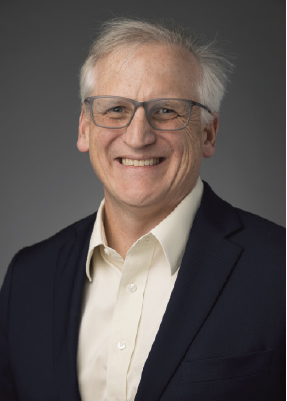
about the author
Craig Tappel, CPA, CPCU, ITP, CRIS, TRIP, ARe, AMIM, is chief sales officer of global Top 5 insurance brokerage Hub International’s construction practice. He brings years of experience to his role including past work with consulting, brokerage, and underwriting organizations. Craig volunteers for the Tennessee Society of CPA’s, the CPCU Society, as a board member of the Society of Insurance Trainers & Educators and an Independent Insurance Agents of America Virtual University expert faculty member.