

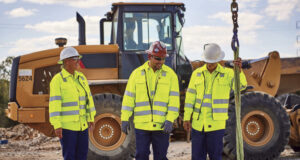
Optimize Safety
In the commercial construction industry, accidents like slips, trips, and falls have increased by a small, but not insignificant, amount over the last couple...

Stair Safety
In commercial facilities built across the country, the most common technique for preventing slip and fall accidents on stairs is the application of non-skid...
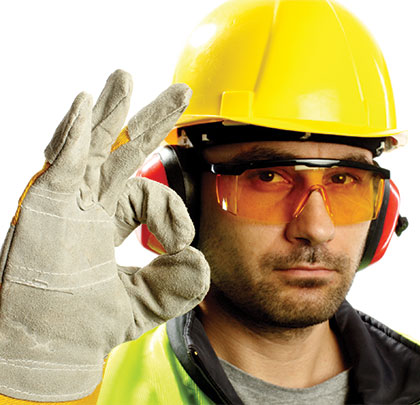
Advancing Worker Safety
Construction companies invest more time and money in worker safety today than ever before. Safety management is now a key strategic consideration at major...

Stadium Builds
At stadiums across the country, first responders including police, fire, and Emergency Medical Services (EMS) depend on reliable two-way radio communication when lives and...
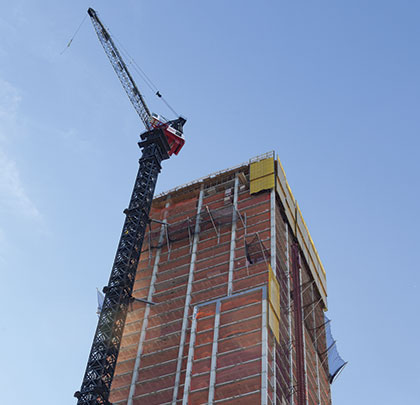
The Safety Net
Whether you’re aware of it or not, you’re always looking out for your personal safety, as well as for others. Don’t believe it? Think...
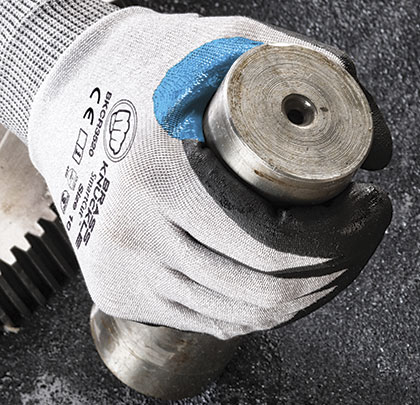
Upping the Standard
There’s a new hand-protection standard in town. And it brings a global change.
In January 2016, the International Safety Equipment Association (ISEA) received American National...
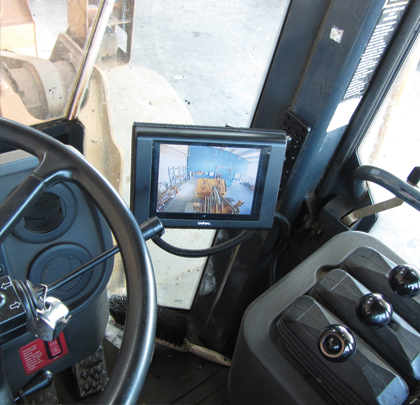
Navigating the Blind Spot
Construction sites are usually teeming with a variety of vehicles, equipment, and workers. This means a lot of noise and activity. Over the years,...
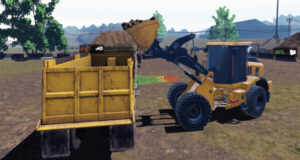
Simulation-Based Training
By Mala Dewan
According to OSHA, the construction industry suffers from one of the highest incident rates among high-risk industries. Statistics from the Department of...
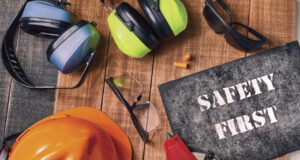
Building a Safety Culture That Pays Off
Safety accountability starts with a hard truth. The total cost of work injuries in 2023 hit $176.5 billion, with more than 220,000 preventable deaths...

Social Safety App
As businesses reopen and people head back to work, safety is a big concern. Employers are taking measures to keep their employees safe, including...